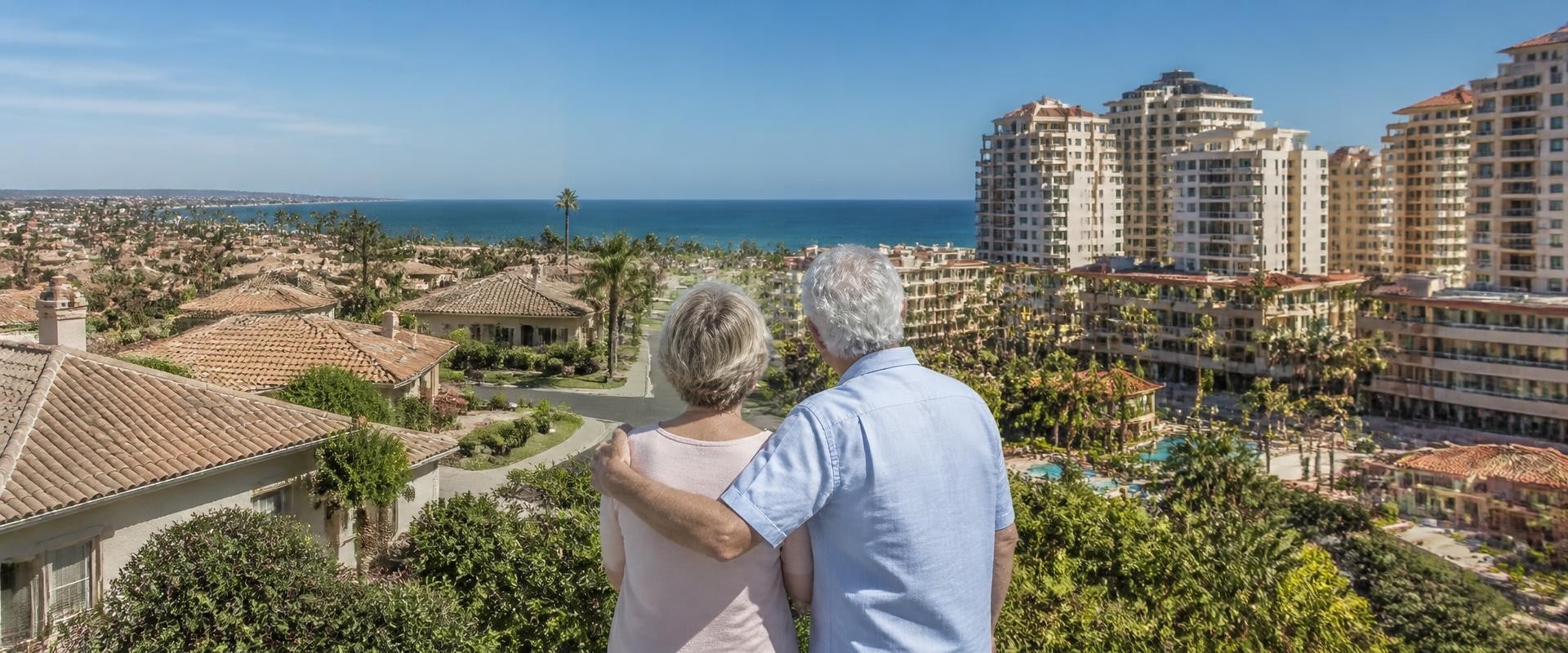
Welcome to the San Diego 55+ Community Guide, your go-to resource for understanding the vibrant landscape of active adult living in sunny San Diego. As you embark on the journey of finding the perfect community that suits your lifestyle, it’s essential to consider one fundamental aspect: the size of the community itself. The differences between large and small communities can profoundly influence your social interactions, amenities, and overall living experience. In this article, we will delve into the unique characteristics that define large and small 55+ communities in San Diego. From the bustling energy of larger developments, which often boast a wide array of amenities and activities, to the intimate charm of smaller communities that foster closer relationships among residents, each option presents distinct advantages and challenges.
Understanding these differences can empower you to make an informed decision that aligns with your preferences and needs. As we explore these contrasting community sizes, we will highlight the various factors that can impact your quality of life in a 55+ community, including social opportunities, accessibility, and available facilities. Our aim is to provide you with valuable insights that will help you navigate your options confidently and find the best fit for your next chapter. Join us as we dissect what it truly means to live in a large versus a small community, ensuring that by the end of this exploration, you’ll have a clearer perspective on which type of environment will enhance your golden years in beautiful San Diego. When considering options for active adult living in San Diego, it is essential to understand the distinctions between large and small communities. The San Diego 55+ Community Guide serves as a valuable resource, providing insights into various communities tailored for those aged 55 and older. This guide offers an overview of available options, associated costs, and amenities that can significantly influence your decision-making process.
Large 55+ communities
often boast a wide array of amenities designed to enhance the lifestyle of their residents.These communities can feature extensive facilities such as state-of-the-art fitness centers, multiple swimming pools, and well-maintained walking trails. Additionally, they typically offer organized social activities ranging from group exercise classes to arts and crafts workshops, allowing residents to engage and socialize with others who share similar interests. With such amenities at their disposal, residents of larger communities often enjoy a vibrant social life filled with opportunities to participate in events like holiday celebrations, community outings, and hobby clubs. However, it is important to note that the advantages of a large community often come with potential downsides, including higher costs. The extensive amenities and services provided can lead to increased homeowner association (HOA) fees.
Prospective residents should carefully consider whether the amenities align with their personal preferences and budget when evaluating these larger options. On the other hand, small communities present a contrasting atmosphere characterized by a more intimate and tight-knit environment. Residents in smaller communities often enjoy personalized services and greater opportunities for meaningful interactions with their neighbors. This close community feel can foster lasting friendships and a sense of belonging that some may find lacking in larger settings. Small communities may also have lower costs associated with living expenses and HOA fees, making them an attractive option for those looking to manage their budgets effectively. While smaller communities may not offer the same breadth of amenities as larger ones, they often compensate with unique features such as communal gardens or cozy gathering spaces where residents can connect on a personal level.
Activities might be less frequent but can be highly tailored to the interests of the residents, creating a more bespoke lifestyle experience. When comparing these two types of communities, several factors can impact your lifestyle and social interaction preferences. For instance, larger communities may provide more privacy due to their size; however, this can also lead to feelings of anonymity among residents. Conversely, while smaller communities foster strong connections among neighbors, some individuals might find the close-knit atmosphere stifling or overly familiar. Accessibility is another important factor to consider when evaluating community size. Larger communities might be better equipped with facilities and resources tailored for mobility needs, while smaller communities may offer more flexibility in terms of personalized care or support services for residents who require them. Ultimately, deciding between large and small 55+ communities involves reflecting on your personal needs and lifestyle choices.
Consider what aspects are most important to you—whether it’s social opportunities, privacy, cost-effectiveness, or access to amenities. Utilizing resources like the San Diego 55+ Community Guide can help you gather essential information about available options, ensuring that you make an informed decision that aligns with your vision for your active adult living experience in San Diego.
The Benefits of Large 55+ Communities
Large 55+ communities offer a wealth of amenities and activities that can significantly enhance the living experience for active adults. One of the primary advantages is the extensive range of facilities available, which often includes fitness centers, swimming pools, and walking trails. These amenities encourage residents to maintain an active lifestyle, fostering both physical health and social interaction. In addition to fitness options, large communities typically provide a variety of clubs and interest groups tailored to diverse hobbies and passions.Whether it’s gardening, art, or book clubs, there’s usually something for everyone. This variety not only supports personal interests but also promotes connections among residents, leading to a vibrant community atmosphere. Moreover, larger communities frequently organize social events ranging from holiday celebrations to weekly gatherings, allowing residents to engage with one another and build friendships. These events create opportunities for residents to meet new people and participate in communal activities, reinforcing a sense of belonging. For those considering their options in San Diego, the San Diego 55+ Community Guide serves as an invaluable resource. It provides insights into the many available choices, including the extensive amenities found in larger communities, helping potential residents make informed decisions about their next home. Ultimately, the array of amenities and activities available in large 55+ communities contributes to an enriching lifestyle, making them an appealing choice for many active adults looking to thrive in their golden years.
The Advantages of Smaller 55+ Communities
When considering a move to a 55+ community in San Diego, the choice between large and small communities is crucial.Smaller communities offer a unique charm and an intimacy that can significantly enhance the living experience. One of the primary advantages of these smaller settings is the personalized experience they provide. Residents often find it easier to form close-knit relationships with their neighbors, fostering a sense of belonging and community that can be hard to replicate in larger developments. In smaller 55+ communities, social interactions tend to be more frequent and meaningful. With fewer residents, opportunities for engagement and participation in community activities increase, allowing for deeper connections.
This intimate environment encourages residents to get to know one another, share experiences, and create lasting friendships. Additionally, smaller communities often have a more relaxed atmosphere where residents can feel comfortable expressing themselves and participating in group activities. Another significant benefit of choosing a smaller community is the unique charm that these environments often exude. Many smaller 55+ communities are designed with a focus on aesthetic appeal and personal touches that reflect the character of the residents. This can include landscaped gardens, communal gathering spaces, and personalized amenities that make the community feel like home. Moreover, smaller communities typically allow for more flexibility in management and rules, which can lead to a more tailored living experience.
Residents may find that their voices are heard more easily when it comes to community decisions, enhancing their overall satisfaction and sense of ownership within the community. For those exploring their options, resources like the San Diego 55+ Community Guide can provide valuable insights into various small communities. By understanding the distinctions between large and small communities, prospective residents can make informed decisions that align with their lifestyle preferences and needs.
Cost Considerations for Different Community Sizes
When evaluating 55+ communities in San Diego, one critical factor to consider is the cost associated with different community sizes. The San Diego 55+ Community Guide serves as a valuable resource, helping prospective residents navigate the various options available to them. Generally, large communities tend to have different pricing structures compared to their smaller counterparts, which can significantly impact your overall budget. Large communities often have a wider range of amenities and services, which can lead to higher upfront costs.These might include extensive recreational facilities, organized social events, and maintenance services that cater to a larger number of residents. While these amenities can enhance the living experience, it is essential to scrutinize the associated fees. For instance, homeowners association (HOA) fees in larger communities may be higher due to the broader scope of services provided. In contrast, smaller communities might offer more modest amenities but could also result in lower HOA fees. However, potential residents should be cautious of hidden costs that may arise in smaller settings.
For example, smaller communities may require additional fees for services that are included in larger communities, such as landscaping or security services. It's crucial to read the fine print and understand what each fee covers to avoid unexpected expenses. Furthermore, some small communities might charge a premium for personalized services or unique features that cater specifically to individual needs. Therefore, when considering the financial implications of community size, it is advisable to ask detailed questions about all potential costs, including any hidden fees or additional services that may not be immediately apparent. Ultimately, understanding these cost differences is vital for making an informed decision about which community best suits your financial situation and lifestyle preferences. The San Diego 55+ Community Guide offers insights into these considerations, ensuring you are well-prepared as you explore your options.
Choosing the Right Community for Your Needs
When considering a move to an active adult community in San Diego, evaluating both large and small communities can greatly impact your lifestyle and overall satisfaction.Utilizing the San Diego 55+ Community Guide is an excellent starting point, as it offers valuable insights into various community options, their associated costs, and the amenities they provide. Begin by identifying your personal preferences. Do you thrive in a bustling environment filled with social activities, or do you prefer a quieter, more intimate setting? Large communities often boast extensive facilities and a wide range of events, making them ideal for those seeking an active social life. Conversely, small communities may offer a more tight-knit atmosphere where neighbors know each other well and foster close relationships. Your lifestyle goals also play a crucial role in this decision-making process. Consider what amenities are most important to you.
If fitness and recreational activities are high on your list, large communities may provide more options such as gyms, swimming pools, and organized sports. On the other hand, smaller communities might focus on niche interests or hobbies that align more closely with your personal passions. Budget is another critical factor to evaluate when choosing between large and small communities. Larger communities can sometimes present higher initial costs due to their extensive offerings, but they may also provide greater value through shared amenities that enhance your living experience. Smaller communities could present more affordable options, allowing for a different style of living that might suit your financial plans better. Finally, visiting potential communities is essential.
Engage with residents and staff to get a feel for the atmosphere and culture of each place. This firsthand experience can be invaluable in helping you determine which environment aligns best with your needs and desires. Remember to leverage resources like the San Diego 55+ Community Guide to help you make an informed choice that reflects your lifestyle aspirations. In conclusion, understanding the differences between large and small 55+ communities in San Diego is crucial for prospective residents looking to find the right fit for their lifestyle. Large communities often offer a wider range of amenities and activities, fostering a vibrant social atmosphere, while smaller communities can provide a more intimate setting, encouraging close-knit relationships among residents.
Cost considerations also play a significant role, as expenses can vary greatly depending on community size and offerings. Utilizing the San Diego 55+ Community Guide can significantly aid in this decision-making process. This comprehensive resource outlines available options, associated costs, and amenities, empowering readers to make informed choices that align with their personal preferences and needs. We encourage readers to visit the guide for detailed insights into specific communities that cater to their desired lifestyle.